
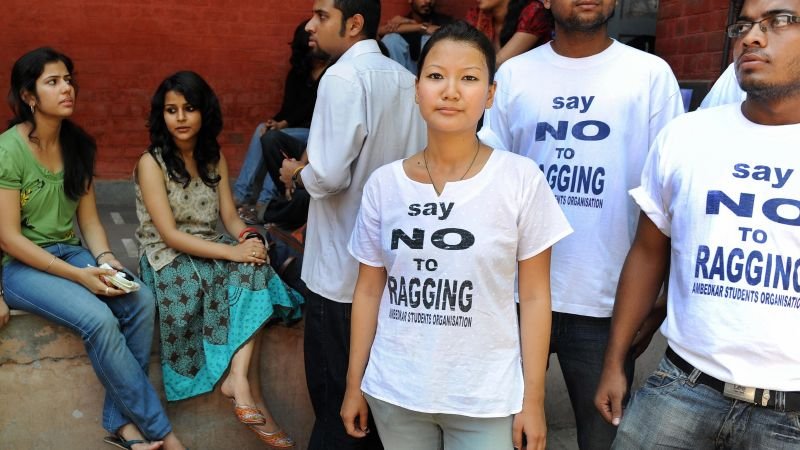
Every year around admission season, the same stories surface — a first-year student traumatized, sometimes seriously injured, occasionally worse. The anti-ragging law in India exists specifically to prevent this, and it’s stricter than most students (and honestly, most parents) realise.
What Counts as Ragging Legally?
Ragging isn’t just the extreme, headline-making cases. Legally, it includes any act — physical or verbal — that causes psychological harm, embarrassment, or fear to a student, whether done “as a joke” or not. Forcing a junior to do something humiliating, verbal abuse, intimidation, or even repeated unwanted teasing that causes distress can all fall under ragging.
Quick answer: Under the anti-ragging law in India, ragging includes any conduct by a senior student towards a junior that causes physical or psychological harm, fear, shame, or embarrassment, whether on or off campus, and it is a criminal offence, not just a disciplinary matter.
The Legal Framework Behind Anti-Ragging Rules
The core framework comes from the UGC Regulations on Curbing the Menace of Ragging in Higher Educational Institutions, 2009, issued following Supreme Court directions in the Vishwa Jagriti Mission case. Many states also have their own specific anti-ragging legislation with criminal penalties layered on top of UGC rules.
What Institutions Are Legally Required to Do
Colleges and universities aren’t just encouraged to prevent ragging — they’re legally obligated to:
- Set up anti-ragging committees and squads
- Collect anti-ragging affidavits from every student and parent at admission
- Display anti-ragging helpline numbers prominently
- Take immediate action on any complaint, including suspension pending inquiry
I’ve noticed many colleges treat the affidavit collection as a formality rather than genuinely enforcing what follows — which is exactly where accountability tends to break down in practice.
[link to related guide on RTE Act 2009 here]
Punishments for Ragging
Penalties can range from suspension and expulsion to criminal prosecution, depending on severity:
- Written apology and warning (minor first-time incidents)
- Suspension from classes or hostel
- Withholding of results or debarring from exams
- Expulsion from the institution
- Criminal case under relevant IPC/BNS sections (for physical assault, criminal intimidation, etc.), which can lead to imprisonment
Quick answer: Ragging punishments range from a formal warning and suspension to complete expulsion and criminal prosecution under relevant penal law sections, depending on the severity and nature of the incident.
How to File a Ragging Complaint
Students facing ragging (or witnesses) have multiple complaint routes:
- The institution’s own anti-ragging committee
- UGC’s national 24×7 anti-ragging helpline (1800-180-5522)
- Local police, since ragging involving physical harm or criminal intimidation is a cognizable offence
- The state anti-ragging committee, in states with specific legislation
Don’t assume you have to handle this quietly or “tough it out.” Picture a first-year engineering student in a hostel being forced to run humiliating errands nightly — this is exactly the kind of case where a formal complaint, backed by witness statements if possible, genuinely stops the pattern rather than just delaying it.
Can Ragging Happen Off-Campus and Still Count?
Yes. The regulations explicitly cover ragging that happens off-campus too, if it’s connected to the institution — for instance, at a hostel, PG accommodation, or even during a college trip. It’s not limited strictly to classroom or campus boundaries.
What If the College Doesn’t Act on a Complaint?
If an institution fails to act on a genuine ragging complaint, it can face penalties too — including withdrawal of UGC recognition in extreme cases of institutional negligence. Parents and students can escalate directly to the UGC helpline if the college is dragging its feet.
FAQs
1. Is ragging a criminal offence in India? Yes, depending on severity, ragging can attract criminal charges under provisions dealing with assault, criminal intimidation, or outraging modesty, alongside institutional disciplinary action.
2. What is the national anti-ragging helpline number? The UGC’s anti-ragging helpline number is 1800-180-5522, available 24×7 for complaints and guidance.
3. Can a student be expelled for ragging? Yes, expulsion is one of the prescribed punishments under UGC anti-ragging regulations for serious or repeated ragging incidents.
4. Does the anti-ragging law apply to online or verbal harassment too? Yes, ragging isn’t limited to physical acts — verbal abuse, humiliation, and psychological harassment are all covered under the regulations.
5. What is an anti-ragging affidavit? It’s a mandatory declaration signed by students and parents at admission, confirming awareness of anti-ragging rules and consequences for violation.
6. Can I file a ragging complaint anonymously? Many institutions and the UGC helpline accept complaints with confidentiality protections, though providing details helps ensure faster and more effective action.
Conclusion
The anti-ragging law in India gives students real, enforceable protection — this isn’t just a college disciplinary matter that gets swept aside. If you or someone you know is facing ragging in 2026, don’t stay silent assuming it’ll pass; use the anti-ragging helpline or your institution’s committee immediately. The legal framework exists precisely because silence has cost students far too much in the past.